
Infant Daycare Curriculum in Jersey City (0–18 Months)
Early Learning for Infants and Waddlers

What Early Learning Looks Like at 0–18 Months
(0–12 months)
Infant Curriculum
Warm routines, responsive care, and purposeful stimulation
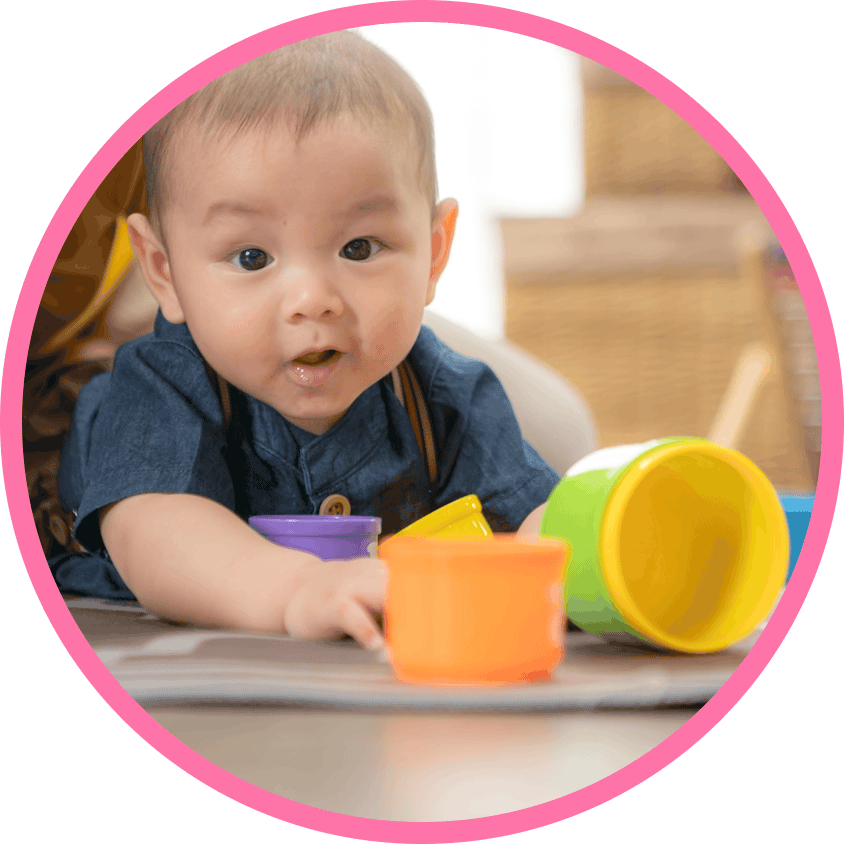
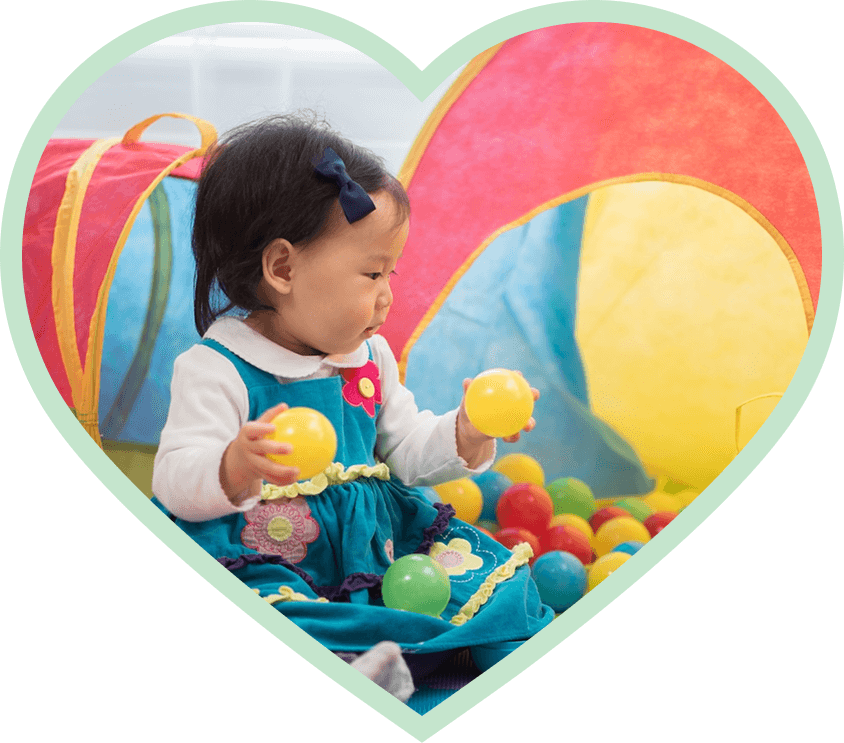
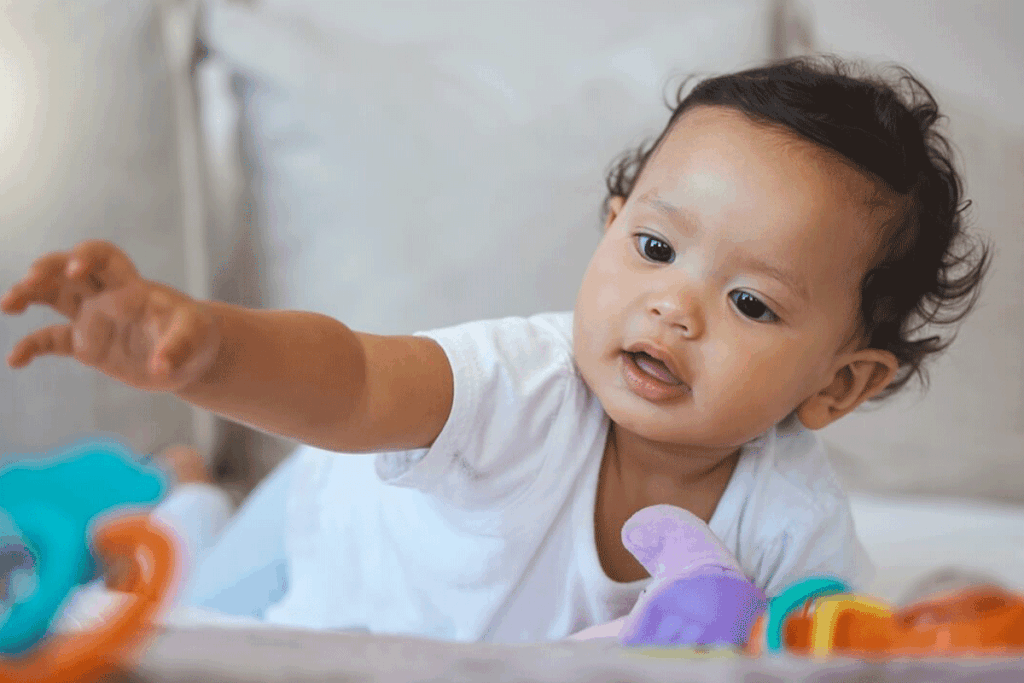
Our infant program keeps babies engaged with nursery rhymes, finger plays, lullabies, baby sign language, and interactive games like peek-a-boo, supporting early social and communication development. Infants also work on fine and gross motor development daily.
(13–18 months)
Waddler Curriculum
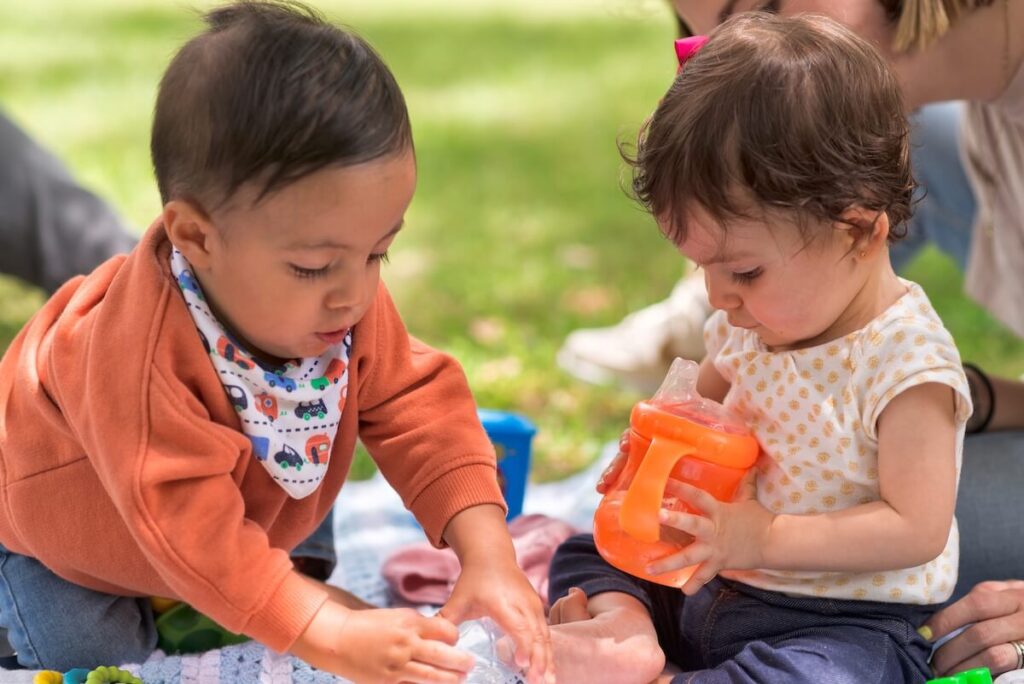
More independence, more exploration, same nurturing support

Our Infant Curriculum Prioritizes:
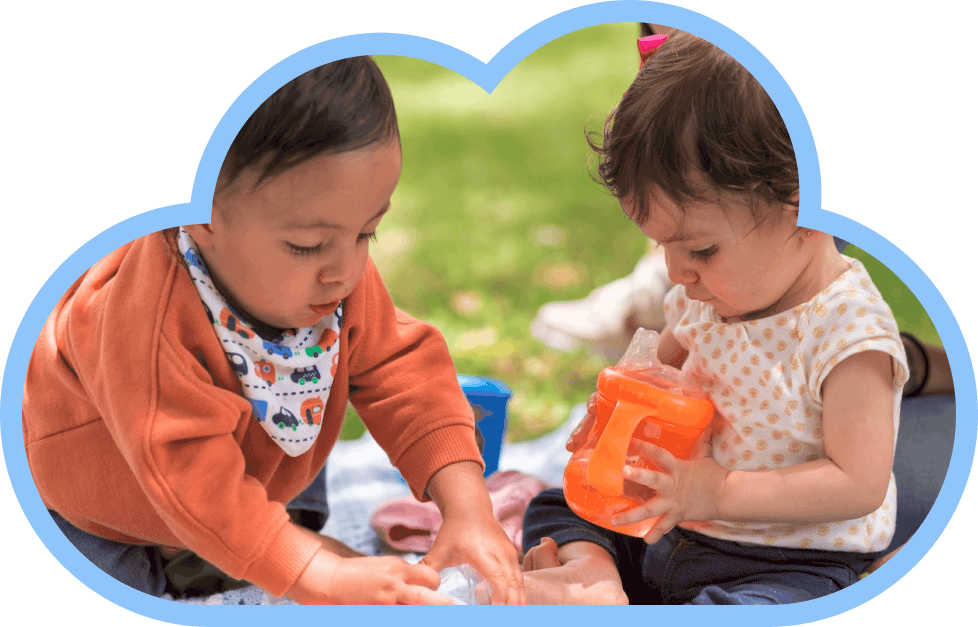
In our Infant and Waddler classrooms, learning is built into the day through repetition, interaction, and guided play. Children are supported as they develop:
Early communication
through songs, key words, baby sign language, and daily language exposure
Social Development
through safe peer interaction, responsive caregiving, and predictable routines
Fine + gross motor skills
with daily age-appropriate activities, movement, and floor play
Curiosity and problem-solving
through sensory bins, hands-on projects, and early exploration
A closer look at our daily learning blocks
Circle Time Foundations
Introduces early concepts like shapes, colors, numbers, weather, and routines through simple, guided group interaction.
Language & Communication
Builds early communication skills through songs, repetition, baby sign language, and exposure to both English and Spanish.
Sensory Exploration
Encourages curiosity and brain development through hands-on play with textures, materials, and age-appropriate sensory experiences.
Art & Early Discovery
Supports creativity and coordination through simple art, craft, and early science activities designed for young learners.
Creative Movement
Strengthens gross motor skills, balance, and body awareness through guided movement, music, and active play.
Social & Emotional Growth
Early social development through peer interaction, caregiver guidance, and consistent, reassuring daily routines.
Nutrition Support
Healthy routines include nutrition. Families can opt into meal service with LovEat For You, which provides plant-forward meals cooked from scratch with no processed food, preservatives, or artificial flavoring.

See the Infant & Waddler classrooms in person
FREQUENTLY ASKED QUESTIONS
What parents usually want to know
Infants learn through sensory play, language exposure, movement, and responsive interaction. Activities like music, baby sign language, floor play, and guided routines support early brain development, communication, and motor skills.
Yes. High-quality infant daycare supports early social development, emotional security, and cognitive growth through consistent routines, caregiver connection, and age-appropriate learning experiences.
Play-based learning allows infants and waddlers to explore their environment through touch, movement, and repetition. This approach supports brain development, problem-solving, coordination, and early communication in a natural, engaging way.
Infant programs focus on responsive care, sensory engagement, and early communication, while waddler programs introduce more exploration, peer interaction, and independence — all while maintaining consistent routines and close caregiver support.
Language development is supported through songs, repetition, daily conversation, baby sign language, and exposure to multiple languages. These experiences help children build early communication skills long before verbal speech emerges.
Social-emotional development is supported through consistent routines, responsive caregiving, and guided interaction with peers. These experiences help children build trust, emotional regulation, and early social awareness.
Families may opt into an organic meal program featuring cooked-from-scratch, plant-forward meals designed to support healthy growth and daily routines.
Early routines, group interaction, communication skills, and guided learning experiences help infants and waddlers transition smoothly into toddler and preschool environments with confidence and familiarity.